Welcome to our website, If you have an inquiry, please do not hesitate to contact us.


- All
- Product Name
- Product Keyword
- Product Model
- Product Summary
- Product Description
- Multi Field Search
Views: 169 Author: Site Editor Publish Time: 2025-11-07 Origin: Site


Creating engaging, safe, and multifunctional play areas is a top priority for modern residential communities. Playground equipment not only provides children with physical activity but also encourages social interaction, creativity, and cognitive development. Among the variety of play structures available, climbing frames stand out as one of the most versatile and beneficial installations for community playgrounds.
Residential communities increasingly recognize the value of well-designed playgrounds for several reasons:
Physical Health: Playgrounds encourage children to engage in active play, supporting cardiovascular health, muscle development, coordination, and overall fitness.
Social Skills: Structured and unstructured play on playground equipment allows children to interact, collaborate, and resolve conflicts, fostering social and emotional development.
Community Engagement: Play areas become gathering points for families, enhancing a sense of community and encouraging neighborly interactions.
Child Development: Climbing, balancing, and navigating play structures improve problem-solving skills, spatial awareness, and motor planning.
Residential Appeal: Communities with attractive playgrounds are more appealing to families, potentially increasing property value and resident satisfaction.
Well-planned playgrounds contribute not only to children’s growth but also to a healthier, more cohesive residential environment.
Among the many types of playground equipment available today, climbing frames stand out as one of the most versatile, engaging, and beneficial installations, making them a central feature in residential community playgrounds. Climbing frames are not only fun but also support children’s physical, cognitive, and social development. Their modular design, adaptability, and ability to cater to a wide age range make them an essential component of well-planned community play areas.
Climbing frames are modular playground structures designed to allow children to climb, balance, hang, and move from one platform to another. They often combine ladders, rope nets, bridges, platforms, slides, and other climbing elements into a single cohesive unit. The diversity in design ensures that children can enjoy a wide range of physical challenges while exploring the structure.
Modern climbing frames are constructed using durable materials such as powder-coated steel, high-density plastic, or treated wood, making them suitable for outdoor use in various weather conditions. These materials ensure that climbing frames remain safe, stable, and visually appealing over long periods, even under constant use. Many designs also feature weather-resistant coatings to prevent corrosion or fading, extending their lifespan and reducing maintenance costs.
The combination of climbing, balancing, and sliding components creates a dynamic play environment where children are encouraged to develop strength, coordination, and confidence while having fun. Climbing frames are particularly valuable in residential community playgrounds, where space may be limited but the need for multifunctional play equipment is high.
One of the key strengths of climbing frames is their versatility. They are available in a wide range of sizes and configurations, making them adaptable to small residential courtyards, apartment complex playgrounds, or large communal parks. Modular designs allow communities to customize the layout according to available space, budget, and target age groups.
For instance:
Toddlers and Preschoolers: Low platforms with gentle climbing slopes, small steps, and simple rope or ladder features provide safe introductory climbing experiences. These units allow young children to develop confidence in movement, improve balance, and learn basic coordination skills.
School-Age Children: Taller climbing frames with more complex pathways, rope nets, bridges, and elevated platforms challenge older children and encourage adventurous play. These structures help them develop problem-solving skills, spatial awareness, and upper-body strength.
Mixed-Age Play Areas: Multi-level climbing frames are designed to accommodate children of various ages and abilities. By providing multiple climbing options and pathways, these units encourage cooperative play, social interaction, and shared challenges, fostering a sense of community and teamwork among children.
In addition, modular climbing frames can be combined with slides, swings, balance beams, and other playground equipment, creating comprehensive play environments that appeal to a broad age range. Their adaptability ensures that playgrounds remain relevant and engaging as children grow.
Climbing frames are more than just recreational equipment—they provide numerous physical, cognitive, and social benefits that make them particularly valuable in residential communities.
Climbing frames encourage the use of large muscle groups in the arms, legs, and core. Activities such as climbing ladders, navigating rope nets, balancing on beams, and traversing platforms strengthen muscles, enhance coordination, and improve overall fitness. Unlike sedentary or passive forms of entertainment, climbing frames actively challenge children’s bodies, promoting cardiovascular health, endurance, and agility.
Furthermore, climbing structures develop fine motor skills through gripping ropes, handholds, and other climbing elements. Regular physical activity on climbing frames also instills healthy exercise habits at an early age, contributing to long-term physical well-being.
Navigating a climbing frame requires children to plan movements, judge distances, and make quick decisions. For example, choosing the best route across a rope bridge or figuring out how to transition from one platform to another promotes critical thinking, spatial reasoning, and problem-solving abilities.
In addition, climbing frames often involve sequential steps or challenges that require children to evaluate risks, adapt strategies, and anticipate outcomes. These cognitive exercises enhance mental agility and provide transferable skills that extend beyond the playground environment.
Play on climbing frames is often collaborative. Children may assist peers with climbing, invent games, or navigate challenges together. Such interactions foster communication skills, negotiation, empathy, and cooperative behavior.
By learning to share space, take turns, and support each other in completing tasks or overcoming obstacles, children build social confidence and develop the interpersonal skills necessary for school and community life. Climbing frames, therefore, contribute not only to individual development but also to a sense of community among children and families.
While climbing frames provide challenges, modern designs prioritize safety. Features such as padded or non-slip surfaces, rounded edges, guardrails, and soft-fall surfacing reduce the risk of injury.
Allowing children to experience healthy risk-taking is an important part of play, as it helps them learn boundaries, develop resilience, and gain confidence in their abilities. Properly designed climbing frames balance fun and safety, ensuring that children can explore adventurous play with minimal hazards.
Many contemporary climbing frames incorporate inclusive design principles, making them accessible to children with physical or developmental challenges. Wider platforms, ramps, and adaptive climbing features enable children with varying abilities to enjoy the playground alongside their peers.
Inclusive climbing frames foster equal participation, social integration, and empathy, helping communities create environments where all children can thrive together.
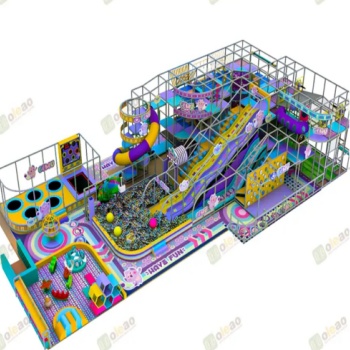
Effective playground design begins with careful assessment of available space. Even small residential courtyards can accommodate compact climbing frames with multi-functional features. Larger community parks can include expansive modular units with interconnected climbing elements, slides, and swings.
Designing climbing frames for specific age groups ensures both safety and engagement. For younger children, low platforms and gentle climbing angles are ideal. For older children, taller structures with ropes, bridges, and obstacle challenges provide adventure and excitement.
Durable materials are essential for outdoor use and long-term sustainability:
Powder-coated steel: Strong, corrosion-resistant, and capable of supporting multiple users.
High-density polyethylene (HDPE): Smooth, colorful surfaces that resist fading and weathering.
Treated wood: Offers natural aesthetics, though requires regular maintenance.
Safety is paramount, so community planners often install protective surfaces such as rubber tiles, poured-in-place rubber, or synthetic turf beneath climbing frames to reduce injury risk from falls.
Ensuring that climbing frames are accessible to children with varying abilities enhances social integration. Ramps, adaptive swings, and sensory play elements create inclusive play opportunities.
Proper maintenance ensures the safety and longevity of playground equipment:
Routine Inspections: Check for wear, loose bolts, or damaged surfaces.
Cleaning: Regular washing to remove dirt, debris, and prevent mold growth.
Surface Maintenance: Ensure that protective surfacing remains intact and cushioned.
Seasonal Care: Address weather-related issues such as rust, UV fading, or water pooling.
A well-maintained climbing frame remains safe and attractive for years, providing long-term value to residential communities.
Selecting a reliable playground equipment manufacturer is critical for ensuring safety, durability, and community satisfaction. A trusted provider will offer:
Customizable designs suited to different age groups and community sizes.
High-quality materials that withstand weather, heavy use, and potential vandalism.
Safety certifications and compliance with local regulations.
Installation and maintenance support for long-term performance.
Playground equipment, particularly climbing frames, plays a vital role in enhancing residential communities. They offer physical, cognitive, and social benefits for children while serving as attractive gathering spaces for families. Well-designed climbing frames encourage safe risk-taking, inclusive play, and long-term community engagement, making them a smart investment for modern residential developments.
For communities looking to install high-quality climbing frames and other playground equipment, [Guangzhou Aoleao Sports Culture Co., Ltd.] provides reliable, customizable, and safe solutions. Their expertise in residential playground design ensures that every installation meets safety standards, promotes active play, and creates vibrant communal spaces. Visit their website to learn more about their products, consult with experts, or explore tailored playground solutions for your community.