Welcome to our website, If you have an inquiry, please do not hesitate to contact us.


- All
- Product Name
- Product Keyword
- Product Model
- Product Summary
- Product Description
- Multi Field Search
Views: 286 Author: Site Editor Publish Time: 2025-10-15 Origin: Site


Imagine a world where preschoolers become little ninjas, mastering agility and strength. Ninja courses are designed to provide fun, physical challenges for young children. These courses are popular because they offer exciting opportunities for kids to develop essential skills in a playful environment. In this post, you'll learn about the physical, mental, and social benefits of adding ninja courses to preschoolers' routines.
Ninja courses engage preschoolers in activities like climbing, jumping, and swinging, which build muscle strength across their whole body. These movements target the arms, legs, and core, helping kids develop a solid foundation of physical power. Regular participation improves endurance, allowing children to stay active longer without tiring quickly. This increased stamina supports overall health and encourages a lifelong habit of physical activity.
Ninja courses challenge kids to move quickly and change direction easily, enhancing agility. These activities help children learn how to react swiftly and maintain control during fast movements. Balance also improves as kids navigate narrow beams, river logs, and other dynamic obstacles. Better balance means they gain greater body awareness and can avoid falls or accidents in daily life. This skill is essential for all physical activities and sports.
Coordination involves smoothly moving different body parts together. Ninja courses provide many chances for kids to practice hopping, lunging, climbing, and running, which refine their gross motor skills. Each obstacle requires a unique combination of movements, helping children learn to control their bodies in space. Flexibility grows as kids stretch and extend their limbs to complete challenges. This range of motion reduces injury risk and supports healthy muscle development.
Ninja courses demand concentration. Preschoolers must pay close attention to each obstacle to succeed. This focused effort helps children improve their ability to concentrate on tasks. The structured nature of the course encourages kids to follow instructions carefully and stay on track. Through repeated practice, they learn discipline—a skill that benefits them in school and daily routines. The challenge of completing each course motivates kids to keep trying, strengthening their self-control and patience.
Ninja courses present puzzles in physical form. Kids face obstacles that require thinking and planning to overcome. They learn to assess each challenge, consider different approaches, and choose the best solution. This trial-and-error process builds critical thinking. Children develop flexibility in their thinking as they adapt to new situations on the course. These problem-solving skills transfer to other areas of life, helping kids tackle academic and social challenges with confidence.
Every obstacle completed is a win for preschoolers. Success on the course boosts their confidence and makes them proud of their abilities. Even when they fail, kids learn to persist and try again, which builds resilience. Over time, they see progress and realize they can achieve difficult goals. This sense of accomplishment strengthens their self-esteem. Ninja courses provide a safe space for children to take risks, learn from mistakes, and celebrate their growth.
Tip: Encourage preschoolers to set small goals on the ninja course to help build focus, problem-solving skills, and confidence progressively.
Ninja courses encourage preschoolers to work together. Many obstacles require kids to help each other, whether by offering a hand or cheering on a friend. This shared effort teaches them how to cooperate and value teamwork. When children collaborate, they learn to listen, take turns, and support others. These experiences build a foundation for positive social interactions later in life.
Participating in ninja courses helps preschoolers improve how they express themselves. They often need to explain their plans or ask for help during challenges. This practice boosts their vocabulary and confidence in speaking. Kids also learn to interpret nonverbal cues, like gestures or facial expressions, from peers and instructors. Effective communication strengthens relationships and helps children navigate social settings with ease.
Ninja courses foster a welcoming environment where preschoolers feel they belong. Being part of a group working toward common goals builds connection and trust. Children celebrate each other’s successes, which creates a positive atmosphere. This sense of community encourages kids to keep coming back, feeling safe and motivated. It also supports emotional well-being by reducing feelings of isolation or anxiety.
Safety is the top priority for ninja courses designed for preschoolers. Equipment used must meet strict safety standards, ensuring it is sturdy, well-maintained, and free from sharp edges or loose parts. Soft padding around the course cushions falls and reduces injury risk. Surfaces should be non-slip to prevent accidents during running or climbing. The environment itself must be clean, clutter-free, and spacious enough for children to move freely without bumping into one another. Proper lighting helps kids see obstacles clearly, minimizing trips or missteps.
Courses designed for preschoolers feature obstacles tailored to their developmental stage. Challenges should be simple enough to complete but still encourage growth in strength, balance, and coordination. For example, low-height balance beams, wide climbing holds, and short distances between obstacles provide achievable goals. This approach prevents frustration and discouragement. Gradually increasing difficulty as children improve helps maintain interest and motivation without overwhelming them. Age-appropriate design also considers the typical attention span and physical capabilities of preschoolers.
Adult supervision is essential for safe ninja course participation. Trained instructors guide children through each obstacle, offering assistance and encouragement. They ensure kids use equipment correctly and follow safety rules. Supervisors watch closely to intervene immediately if a child struggles or is at risk of falling. Clear communication between instructors and parents helps monitor each child’s progress and address any concerns. Instructors also teach kids how to navigate obstacles safely and respect others sharing the course.
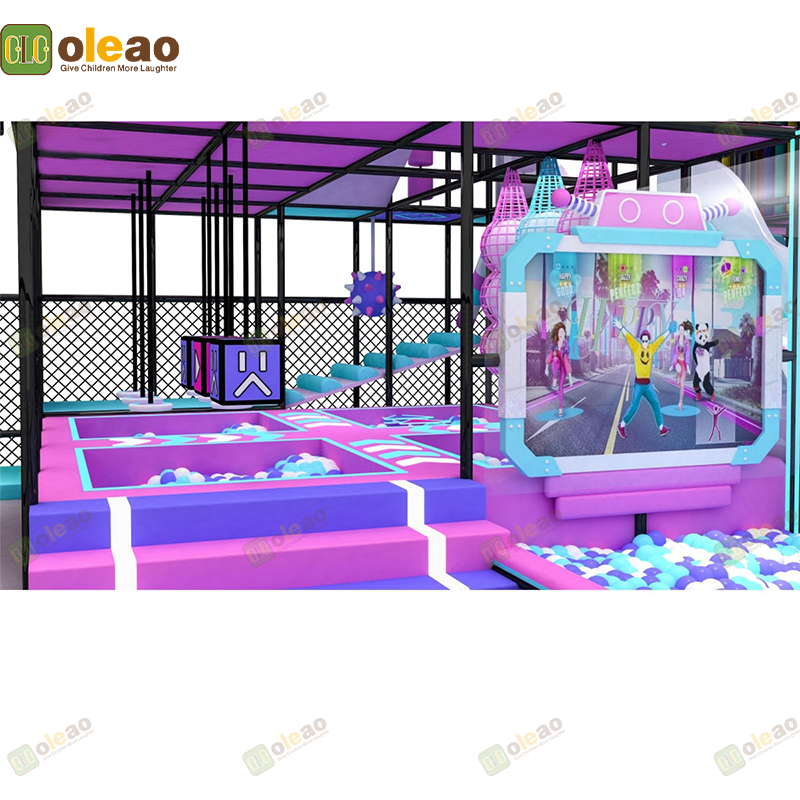
Ninja courses encourage preschoolers to think creatively as they face various obstacles. Each challenge allows kids to explore different ways to climb, jump, or balance. This freedom sparks imagination, helping them invent unique strategies to succeed. They learn to see problems from multiple angles, turning physical activity into a creative adventure. This creative thinking supports their ability to approach tasks innovatively in school and everyday life.
Navigating a ninja course requires more than physical skill; it demands sharp mental focus. Preschoolers must analyze obstacles, plan their moves, and adjust quickly if something doesn’t work. This process stimulates critical thinking, teaching kids to evaluate options and make decisions under pressure. They learn how to break down complex problems into manageable steps. These mental exercises strengthen their reasoning skills, which are vital for academic success and problem-solving beyond the course.
Ninja courses constantly present new challenges, requiring children to adapt. Whether an obstacle changes or a new course layout appears, preschoolers develop flexibility in thinking and behavior. This adaptability helps them remain calm and confident when facing unfamiliar tasks. It also builds resilience by showing them how to handle setbacks and try alternative approaches. Learning to adjust quickly prepares kids for the unpredictable nature of life and learning environments.
Choosing the right ninja course for your preschooler means looking for programs designed specifically for their age group. These courses should offer age-appropriate challenges that match your child’s physical and cognitive abilities. Check for facilities with certified instructors experienced in early childhood development. A good program will focus on safety, fun, and skill-building rather than competition. Visiting the center, reading reviews, and asking about class sizes and instructor qualifications can help you make an informed decision. Also, consider programs that offer trial classes so your child can try the course before committing.
Getting your preschooler ready for ninja courses involves both physical and mental preparation. Start by explaining what the course will be like in simple terms, highlighting the fun and learning aspects. Encourage your child to wear comfortable clothes and shoes suitable for active play. Building basic strength and coordination at home through simple activities like jumping, climbing on playground equipment, or balancing on a line can help. Reinforce a positive mindset by emphasizing effort over success and encouraging your child to try new challenges without fear of failure. Preparing them emotionally helps reduce anxiety and boosts enthusiasm for the course.
Setting achievable goals helps keep your preschooler motivated and engaged. Begin with small, clear objectives like completing a specific obstacle or staying on the course for a certain time. Celebrate each success to build confidence and encourage persistence. Goals should focus on effort, learning new skills, and having fun rather than perfect performance. As your child progresses, gradually increase the difficulty of goals to match their growing abilities. Clear, realistic goals provide a sense of accomplishment and help children develop a growth mindset, which is valuable in all aspects of life.
Ninja courses offer numerous benefits for preschoolers, enhancing their physical, mental, and social skills. These courses build strength, agility, and coordination while fostering focus, problem-solving abilities, and teamwork. The long-term positive effects include improved confidence, discipline, and adaptability. Encouraging continued participation helps children develop a lifelong love for physical activity. Guangzhou Oleao Amusement Equipment Manufacturing provides high-quality ninja course equipment, ensuring safety and fun for young learners while promoting skill development in a supportive environment.
A: A ninja course for preschoolers is an obstacle-based physical activity that helps children develop strength, agility, balance, and coordination through fun and engaging challenges.
A: Ninja courses boost focus, discipline, problem-solving skills, and confidence by challenging preschoolers to concentrate, plan, and overcome obstacles.
A: Ninja courses promote teamwork, communication, and a sense of community, as preschoolers collaborate, express themselves, and support peers during activities.
A: Essential safety measures include sturdy equipment, soft padding, age-appropriate challenges, and adult supervision to ensure a safe environment for preschoolers.