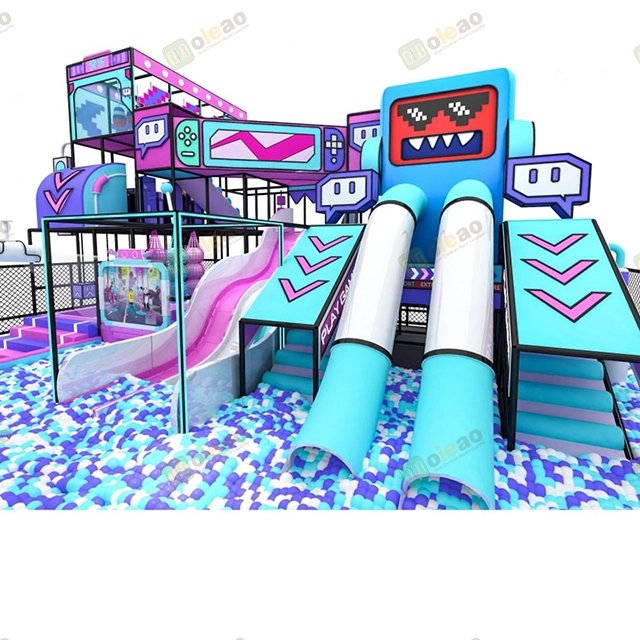
Imagine exploring a labyrinth of tunnels, where every twist and turn leads to new adventures. Tunnel mazes are captivating attractions in indoor theme parks, offering thrilling experiences for visitors of all ages. These mazes have evolved over time, becoming a staple in indoor parks. In this article, you'll learn about their history, appeal, and why they remain popular today.
The Appeal of Tunnel Mazes
Interactive Experience for Kids
Tunnel mazes provide an exciting, hands-on experience for children. Kids love exploring winding pathways, crawling through tunnels, and discovering hidden nooks. This interactive play keeps them engaged and entertained, encouraging physical movement and imaginative play. Unlike passive activities like watching videos, tunnel mazes invite kids to be active participants. The tactile nature of crawling and climbing helps develop motor skills and coordination. Plus, the challenge of navigating the maze sparks curiosity and excitement, making each visit memorable.
Safety and Security Features
Indoor tunnel mazes are designed with safety in mind. Soft padding lines the floors and walls to cushion falls, and the enclosed design keeps children within a controlled environment. Parents appreciate knowing their kids are safe from outdoor hazards like weather or traffic. Many mazes are built with visibility in mind—clear panels or open sections let parents and staff easily monitor children. Additionally, materials used are non-toxic and meet strict safety standards, ensuring a healthy play space. These features make tunnel mazes a trusted option for families seeking secure fun.
Year-Round Entertainment
Tunnel mazes offer dependable play regardless of season or weather. Rain, snow, or extreme heat won’t shut down the fun. This makes them a valuable attraction for indoor theme parks aiming to provide consistent entertainment. Families can visit anytime without worrying about outdoor conditions. The climate-controlled environment also appeals to kids with allergies or sensitivities who might avoid outdoor play. Because tunnel mazes don’t rely on seasonal trends, they help parks maintain steady visitor numbers throughout the year, boosting overall business stability.
Designing Tunnel Mazes for Indoor Theme Parks
Space Optimization
Indoor theme parks often face space limitations. Tunnel mazes are a smart solution because they use vertical and horizontal space efficiently. Designers create multi-level tunnels and compact layouts that fit into smaller footprints. This approach maximizes play areas without crowding the park. Clever use of corners and pathways helps maintain a natural flow. Modular components allow easy rearrangement or expansion as needed. This flexibility ensures the maze suits the park’s size and visitor capacity.
Customizable Themes and Designs
Tunnel mazes offer endless design possibilities. Parks can customize themes to match their brand or current attractions. For example, a jungle theme might include leafy tunnel walls and animal shapes. A space-themed maze could feature glowing stars and rocket ship tunnels. Custom designs enhance the immersive experience, making the maze more memorable. Colors, textures, and lighting all contribute to the atmosphere. Parks often collaborate with designers to create unique and engaging environments that attract repeat visitors.
Integration with Other Attractions
Tunnel mazes blend well with other park features. They can connect to play zones, climbing structures, or interactive exhibits. This creates seamless transitions and encourages exploration. For instance, a tunnel maze might lead to a ball pit or a themed photo spot. Integrating digital elements or sound effects enriches the experience further. Combining attractions keeps kids entertained longer and increases overall visitor satisfaction. Thoughtful integration also helps manage visitor flow, reducing congestion in busy areas.
Benefits of Tunnel Mazes for Theme Park Owners
Increasing Visitor Engagement
Tunnel mazes captivate visitors by offering an immersive, hands-on experience. They encourage guests, especially families with children, to stay longer and explore more areas of the park. The interactive nature of tunnel mazes keeps kids entertained and curious, which reduces boredom and increases overall satisfaction. This engagement often translates into repeat visits, as families seek out the fun and challenge the maze provides. Additionally, tunnel mazes can be designed to appeal to a wide age range, making them a versatile attraction that draws diverse groups.
Boosting Revenue
Adding a tunnel maze can directly impact a park’s bottom line. Longer visitor stays typically lead to increased spending on food, merchandise, and other attractions. Parks can also charge a separate fee for maze access or offer it as part of a premium ticket package, creating new revenue streams. Seasonal events or themed maze experiences can further boost income by encouraging visits during off-peak times. Moreover, tunnel mazes often become social media favorites, driving organic promotion that attracts new customers without additional marketing costs.
Brand Differentiation
Tunnel mazes help theme parks stand out in a crowded market. Customizable designs allow parks to align the maze with their unique branding or current themes, reinforcing their identity. A well-crafted tunnel maze becomes a signature attraction that guests associate with the park, enhancing brand recognition and loyalty. It also signals innovation and family-friendliness, traits that resonate strongly with target audiences. By offering an experience not found at every venue, parks can carve out a niche that attracts both locals and tourists.
Tip: Leverage customizable tunnel maze designs to create a unique park identity that drives visitor loyalty and increases revenue opportunities.
Tunnel Mazes and Child Development
Enhancing Physical Activity
Tunnel mazes encourage kids to move their bodies actively. Crawling, climbing, and navigating through tunnels boost gross motor skills and muscle strength. Unlike sitting and watching screens, kids get a full-body workout while having fun. This kind of play improves balance, coordination, and flexibility. It also helps burn energy, which is important for healthy growth and better sleep. The maze’s varied paths and obstacles keep children moving in different ways, promoting overall fitness. Plus, physical activity in a safe, indoor environment lets kids play regardless of weather conditions.
Promoting Problem Solving Skills
Tunnel mazes challenge kids to think and plan their moves. Figuring out which tunnel leads where sparks critical thinking and spatial awareness. Children learn to assess options, remember routes, and make decisions quickly. These problem-solving skills carry over to academics and daily life. The maze’s twists and turns encourage perseverance as kids try different paths to reach the exit. This playful learning helps build confidence and resilience. Maze challenges can also be adapted by theme parks to increase difficulty for older kids, keeping their minds sharp and engaged.
Encouraging Social Interaction
Tunnel mazes create opportunities for kids to play together. They learn to share space, cooperate, and communicate while exploring. Playing in groups or pairs fosters teamwork and social skills. Kids practice taking turns and helping friends navigate tricky sections. These social interactions build empathy, patience, and friendship. Parents also enjoy watching their children engage positively with others in a controlled setting. For shy or younger kids, tunnel mazes provide a fun way to connect with peers in a non-threatening environment. Group play in mazes supports emotional development and strengthens social bonds.
Tip: Design tunnel mazes with varying difficulty levels and open spaces to encourage both independent problem solving and cooperative play among children.
Challenges in Implementing Tunnel Mazes
Cost Considerations
Building a tunnel maze involves a significant upfront investment. High-quality materials, custom designs, and safety features raise construction costs. Parks must budget for durable components that withstand heavy use. Labor costs for installation and design consultation also add up. Additionally, themed elements or digital integrations increase expenses. While tunnel mazes boost visitor engagement, owners should carefully assess return on investment. Planning for scalable designs can help manage initial costs by allowing phased expansions. Budgeting for unexpected expenses ensures smoother project completion.
Maintenance and Upkeep
Tunnel mazes require regular maintenance to stay safe and attractive. Soft padding, tunnels, and interactive elements wear down over time. Cleaning is essential to prevent germs, especially in indoor environments. Maintenance staff must inspect for loose parts, damaged padding, or broken lighting. Repairs can be costly and disrupt operations if not planned well. Using modular components helps replace parts quickly without full maze shutdowns. Establishing a maintenance schedule keeps the attraction in top shape and reassures parents about safety and hygiene.
Safety Regulations
Compliance with safety standards is critical for tunnel mazes. Parks must adhere to local building codes, fire safety rules, and accessibility requirements. Materials must be non-toxic, flame-retardant, and child-safe. Emergency exits and clear signage are mandatory. Staff training on supervising children and responding to emergencies is essential. Regular safety audits help identify risks before incidents occur. Meeting or exceeding regulations not only protects visitors but also builds trust with families. Failure to comply can lead to fines, lawsuits, or closure.
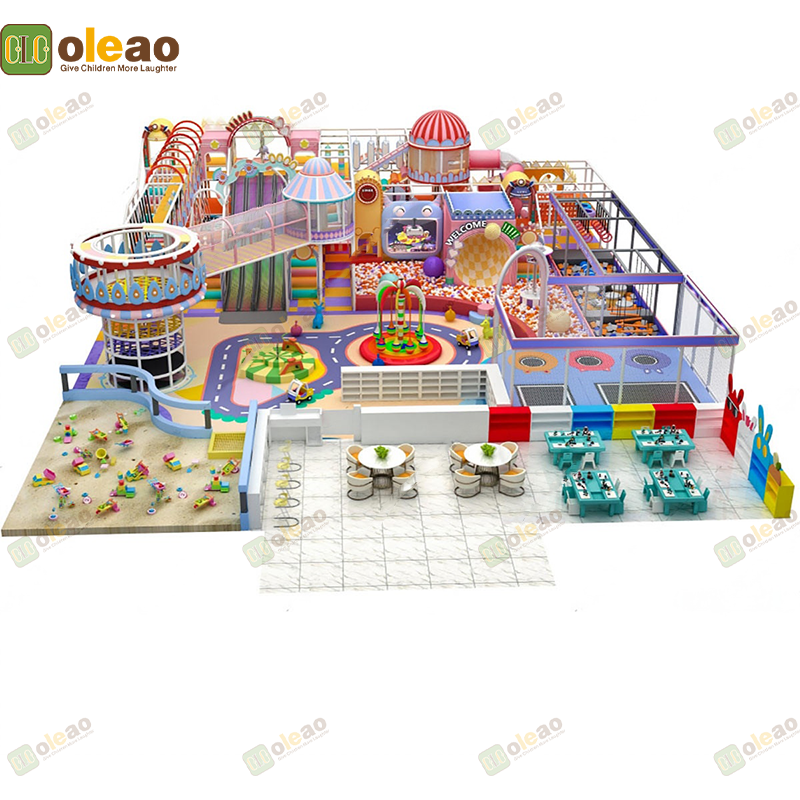
Future Trends in Tunnel Mazes
Technological Innovations
Tunnel mazes are evolving thanks to new technologies. Parks now use LED lighting systems that change colors or create patterns to enhance the atmosphere. Sensors can trigger sounds or effects as kids crawl through certain sections, making the experience more immersive. Augmented reality (AR) elements are also being tested, allowing kids to interact with virtual objects inside the maze via tablets or smartphones. These innovations keep the maze exciting and fresh, encouraging repeat visits. Technology also helps operators monitor traffic flow and safety in real time, improving management.
Eco-Friendly Designs
Sustainability is a growing focus in indoor theme parks, and tunnel mazes are no exception. Designers increasingly use recycled or renewable materials for construction. For example, tunnels made from bamboo or recycled plastics reduce environmental impact. Low-energy LED lighting and efficient HVAC systems lower energy consumption inside the maze. Some parks incorporate natural themes and plant-based decor to promote eco-awareness among visitors. Eco-friendly designs not only appeal to environmentally conscious families but also reduce operating costs over time.
Interactive Digital Features
Digital integration is transforming tunnel mazes into hybrid physical-digital play spaces. Touchscreen panels embedded in walls offer puzzles or games that complement the maze’s physical challenges. QR codes placed throughout allow kids to unlock clues or collect virtual rewards on an app. Some mazes feature projection mapping that animates surfaces, creating dynamic storytelling environments. These features blend physical activity with cognitive engagement, enhancing the overall experience. Digital elements can be updated easily, keeping content relevant and aligned with seasonal or promotional themes.
Conclusion
Tunnel mazes are popular in indoor theme parks for their interactive experience and safety features. They enhance visitor engagement and boost revenue. Their immersive design and ability to integrate with other attractions make them valuable assets. Guangzhou Oleao Amusement Equipment Manufacturing offers innovative tunnel mazes that provide unique benefits, ensuring secure and memorable play experiences. Their products are designed to optimize space and cater to diverse audiences, enhancing the overall appeal of indoor theme parks.
FAQ
Q: What is a tunnel maze in indoor theme parks?
A: A tunnel maze is an interactive play structure featuring winding pathways and tunnels, designed for children to explore and enjoy physical activity in a safe, indoor environment.
Q: How do tunnel mazes benefit indoor theme parks?
A: Tunnel mazes increase visitor engagement, boost revenue through longer stays, and differentiate parks with unique, customizable attractions that appeal to families.
Q: Why are tunnel mazes popular among kids?
A: Tunnel mazes offer an exciting, hands-on experience that encourages physical movement, imaginative play, and problem-solving, making them a favorite among children.
Q: What safety features are included in tunnel mazes?
A: Tunnel mazes have soft padding, enclosed designs, and visibility features to ensure children's safety, meeting strict safety standards for a secure play environment.


 English
 العربية
 Français
 Русский
 Español
 Português
 Deutsch
 italiano
 日本語
日本語 한국어
한국어 Nederlands
 Tiếng Việt
 ไทย
ไทย Polski
 Türkçe
 አማርኛ
አማርኛ ພາສາລາວ
 ភាសាខ្មែរ
 Bahasa Melayu
 ဗမာစာ
ဗမာစာ தமிழ்
தமிழ் Filipino
 Bahasa Indonesia
 magyar
 Română
 Čeština
 Монгол
 қазақ
қазақ Српски
 हिन्दी
 فارسی
فارسی Kiswahili
 Slovenčina
 Slovenščina
 Norsk
Norsk Svenska
 українська
 Ελληνικά
 Suomi
Suomi Հայերեն
 עברית
עברית Latine
 Dansk
Dansk اردو
اردو Shqip
Shqip বাংলা
বাংলা Hrvatski
 Afrikaans
 Gaeilge
 Eesti keel
 Māori
Māori