Welcome to our website, If you have an inquiry, please do not hesitate to contact us.


- All
- Product Name
- Product Keyword
- Product Model
- Product Summary
- Product Description
- Multi Field Search
Views: 169 Author: Site Editor Publish Time: 2025-11-10 Origin: Site


Imagine a place where kids can play safely while developing essential skills. This is the magic of soft play zones. But what makes them truly special? Ball pools. In this post, you'll learn why ball pools are crucial for physical, sensory, social, and cognitive development, and how they enhance the fun and learning in soft play areas.
Ball pools in soft play zones play a vital role in helping children develop physically. They encourage kids to move actively, which is essential for building strong bodies and healthy growth.
When children dive, crawl, or walk through a ball pool, they engage large muscle groups. These activities boost gross motor skills, such as running, jumping, and climbing. The resistance and uneven surface of the balls make kids work harder to move, strengthening muscles in their arms, legs, and core. For example, pushing through hundreds of balls requires effort that builds stamina and power.
Moreover, ball pools offer a fun way for children to practice movements they use daily. This repeated physical activity helps them gain confidence in their abilities and encourages a more active lifestyle. It also prepares them for other sports or physical challenges by improving endurance and muscle control.
Navigating a ball pool demands good coordination and balance. Kids must adjust their body position constantly to avoid falling or to move forward. This dynamic environment challenges their vestibular system (which controls balance) and proprioception (awareness of body position).
Playing in ball pools helps children learn how to coordinate their limbs smoothly. For instance, reaching for a ball while keeping balance trains hand-eye coordination and body control. The shifting balls beneath their feet or hands require quick adjustments, enhancing reflexes and spatial awareness.
Improved coordination and balance reduce the risk of injuries during other activities and sports. It also supports everyday skills like walking on uneven ground or riding a bike.
Ball pools offer a rich sensory experience that supports children’s development in unique ways. They engage multiple senses simultaneously, making playtime both fun and beneficial.
The bright, colorful balls instantly catch children’s eyes. This visual stimulation helps develop their ability to focus and track moving objects. The wide variety of colors also introduces early lessons in color recognition, laying groundwork for later learning.
Tactile stimulation comes from touching, grabbing, and moving through the balls. Each ball’s smooth, lightweight texture contrasts with the soft foam or fabric base beneath. This mix of sensations enhances children’s sense of touch, helping them understand different textures and pressures.
As children dive or crawl into the ball pool, they feel the gentle resistance of the balls shifting around them. This dynamic environment encourages exploration and curiosity. The constant feedback from their hands and feet moving through the balls sharpens their sensory processing skills.
For kids with sensory processing challenges, ball pools can be especially helpful. The controlled, safe environment allows them to explore sensory input at their own pace. The tactile and proprioceptive feedback — pressure from the balls pressing against their body — can be calming and organizing.
Ball pools provide a multi-sensory experience that supports regulation and focus. Children often find the rhythmic movement and soft pressure soothing, which can reduce anxiety or sensory overload. Therapists sometimes use ball pools as part of sensory integration therapy to help children build tolerance to different sensations.
Moreover, the visual appeal of colorful balls can motivate children who might otherwise avoid sensory play. It encourages engagement and social participation, which further supports emotional and cognitive growth.
Tip: When selecting ball pools for soft play zones, choose ones with a variety of ball sizes and textures to maximize sensory stimulation and accommodate children with different sensory needs.
Ball pools in soft play zones do more than just provide physical and sensory benefits—they are also fantastic spaces for children to develop social skills. When kids play together in a ball pool, they naturally engage in cooperative play and build communication skills crucial for their growth.
Ball pools create a shared environment where children must navigate space alongside others. This setting encourages them to take turns, share the area, and negotiate how to play safely and fairly. For example, children might decide who gets to dive in first or work together to find a particular colored ball. These interactions help kids learn patience, empathy, and teamwork.
Moreover, the excitement of playing in a ball pool often leads to group games, such as ball toss or hide-and-seek among the balls. These activities require cooperation and joint problem-solving, strengthening bonds between children. Cooperative play in ball pools also fosters a sense of community and belonging, as kids learn to respect one another’s space and feelings.
The dynamic and playful environment of a ball pool naturally sparks conversation. Children talk about what they’re doing, ask for help, or invite others to join their games. This verbal interaction supports language development, vocabulary building, and social confidence.
In addition, non-verbal communication plays a role. Kids learn to read body language and facial expressions to understand peers’ feelings or intentions during play. For instance, noticing when another child is hesitant to join or feels overwhelmed helps children develop empathy and appropriate social responses.
Playing in a ball pool also encourages turn-taking and listening skills, as children must wait their turn or follow simple game rules. These foundational communication skills are essential for success in school and everyday social situations.
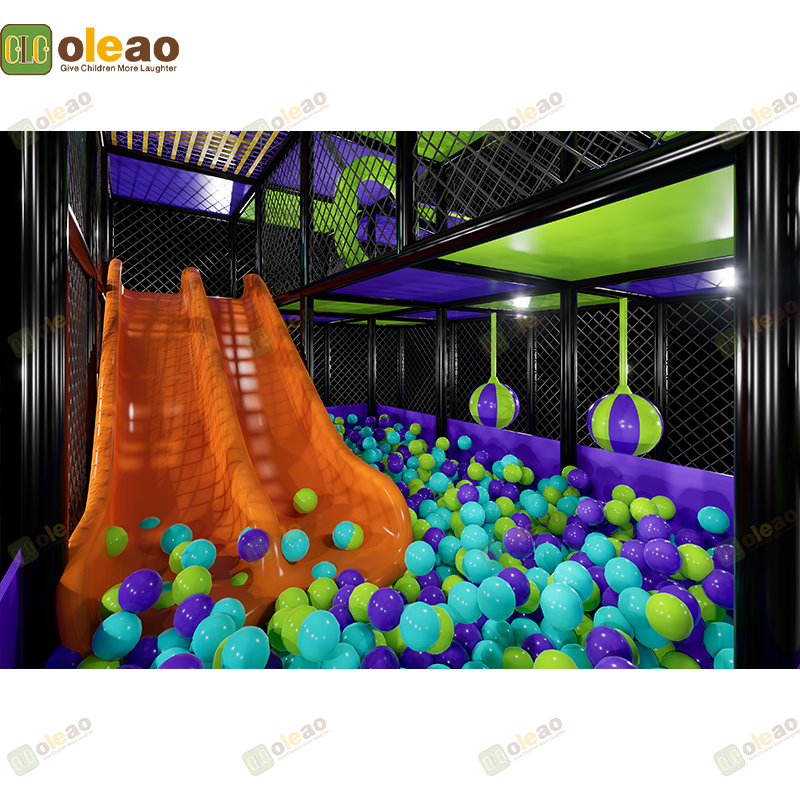
Ball pools aren't just fun—they're brain boosters too. When kids play in these colorful zones, they naturally develop important cognitive skills. Let’s explore how ball pools help with problem-solving, spatial awareness, color recognition, and counting.
Moving through a ball pool is like navigating a mini obstacle course. Children must figure out how to move their bodies to avoid sinking too deep or getting stuck. This challenges their problem-solving skills as they decide the best way to crawl, climb, or dive. For example, a child might try different ways to reach a toy hidden under the balls, learning through trial and error.
Spatial awareness grows as kids understand where their bodies are in relation to the balls and other children. They learn to judge distances, angles, and how to move safely without bumping into others. This skill is crucial for everyday activities like walking through crowded spaces or playing sports.
Playing in a ball pool also encourages children to think ahead. They anticipate how the balls will shift when they move, helping them plan their next move. This kind of active thinking supports early executive function development, which is vital for school readiness.
The bright, varied colors of balls in the pool offer a perfect setting for learning colors. Children can play simple games like “find all the red balls” or “collect three blue balls,” which reinforce color names and matching skills. These games make learning feel like play, keeping kids engaged and motivated.
Counting games in ball pools help build early math skills. For instance, kids might count how many balls they can hold or toss into a basket. This hands-on counting experience strengthens number recognition and one-to-one correspondence, foundational concepts for math.
Teachers and parents can use ball pools as informal classrooms. Encouraging children to sort balls by color or size boosts categorization skills and logical thinking. These activities also improve attention and memory as kids remember rules and sequences.
Ball pools are a highlight in soft play zones, but safety and hygiene must never be overlooked. Ensuring a clean, secure environment helps protect children and keeps parents confident in the play space.
Ball pools can become hotspots for germs if not maintained properly. Regular cleaning routines are essential to prevent the spread of bacteria and viruses. This includes:
Frequent ball sanitization: Using child-safe disinfectants or specialized ball-cleaning machines to wash and dry balls regularly.
Surface cleaning: Wiping down the foam base and surrounding structures with antimicrobial solutions.
Routine inspections: Checking for dirt, debris, or damaged balls that could pose risks.
Hand hygiene promotion: Encouraging children to wash hands before and after play reduces contamination.
Food and drink restrictions: Keeping eating and drinking away from the ball pool prevents spills and sticky residues.
Implementing these measures creates a healthier play area, minimizing illness outbreaks and maintaining a pleasant experience.
Safety is a top priority in ball pool design. Key features include:
Soft, cushioned walls and base: Foam padding absorbs impact, reducing injury risks from falls or bumps.
Rounded edges: Prevent sharp corners that could cause cuts or bruises.
Non-toxic materials: Balls and coverings made from child-safe, BPA-free plastics and fabrics.
Adequate depth: Pools deep enough to cushion falls but shallow enough to avoid suffocation hazards.
Secure enclosures: Barriers or netting prevent children from wandering off or balls spilling out.
Age-appropriate sizing: Balls large enough to avoid choking risks, especially for younger children.
Clear visibility: Transparent panels or open designs help supervisors monitor kids easily.
Regular maintenance: Prompt replacement of worn or broken parts ensures ongoing safety.
Together, these features create a safe, inviting environment where children can explore freely and parents can feel reassured.
When creating a soft play zone, designing a ball pool that fits your available space is crucial. Ball pools come in various sizes and shapes, so you can tailor one to your room's dimensions. For smaller areas, compact or modular ball pools work well, allowing easy rearrangement or expansion later. Larger spaces can accommodate more extensive ball pools, offering children room to move freely and engage in active play.
Consider the layout carefully. Position the ball pool where it won’t obstruct walkways or other play equipment. Ensure enough clearance around the pool for supervision and safe entry or exit. Using soft mats or foam padding around the pool enhances safety and comfort.
Modular designs also offer flexibility. You can combine ball pool sections with other soft play elements like tunnels, slides, or climbing blocks. This creates an integrated play environment that keeps children engaged longer and encourages diverse physical activities.
Color and theme selection play a big role in making a ball pool inviting and exciting. Bright, vibrant colors attract kids and stimulate their senses. You might choose a rainbow palette for a cheerful, inclusive vibe or pastel tones for a softer, calming effect.
Themes can transform a simple ball pool into an imaginative play zone. Popular themes include underwater worlds, jungle adventures, or fairy tales. Themed ball pools often incorporate matching wall decals, soft play props, or custom-shaped balls to enhance the experience.
Consider your audience when choosing colors and themes. For toddler areas, gentle colors and familiar characters can provide comfort and engagement. Older children might prefer bold, adventurous themes that spark creativity and social play.
Custom ball pools can also reflect your brand identity if used in commercial settings. Matching colors and logos help create a cohesive look that appeals to parents and children alike.
Tip: When personalizing ball pools, select durable, easy-to-clean materials in colors and themes that align with your space and audience to maximize appeal and longevity.
Ball pools in soft play zones offer numerous benefits, including physical development, sensory stimulation, social interaction, and cognitive growth. They help children enhance motor skills, coordination, problem-solving abilities, and social skills while providing a safe and hygienic environment. Investing in ball pools is crucial for fostering child development and creating engaging play areas. Guangzhou Oleao Amusement Equipment Manufacturing provides high-quality ball pools that cater to these developmental needs, ensuring a valuable addition to any play zone.
A: A ball pool is a play area filled with colorful plastic balls, designed for children to dive, crawl, and play, enhancing physical and sensory development.
A: Ball pools boost physical development by encouraging active movement, enhancing gross motor skills, coordination, and balance through playful activities.
A: Ball pools offer visual and tactile engagement, helping children with sensory processing issues explore and regulate sensory input in a safe environment.
A: Ball pools promote cooperative play and communication skills, encouraging children to share, take turns, and engage in group games.
A: Ball pools enhance cognitive skills through problem-solving, spatial awareness, color recognition, and counting games, boosting children's learning and memory.
A: Regular cleaning, soft padding, non-toxic materials, and secure enclosures are crucial for ensuring safety and hygiene in ball pools.